
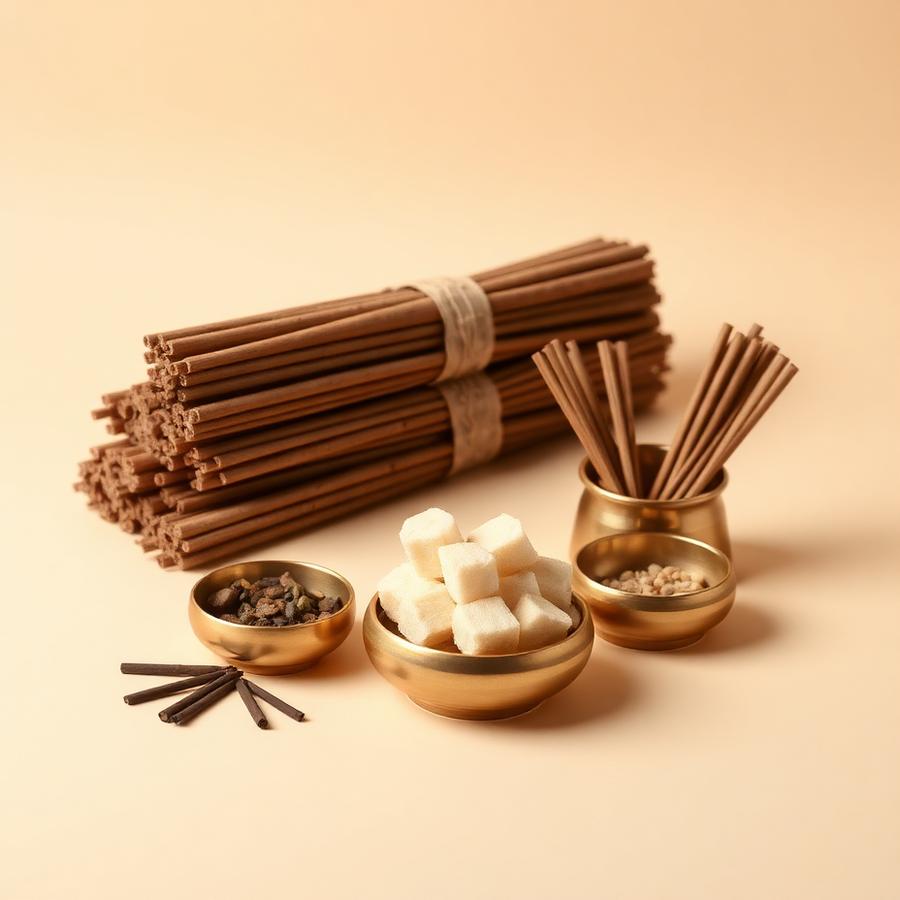
Tulsi Vivah falls on Saturday, 21 November 2026 in India. It is the symbolic wedding of the Tulsi plant to Lord Vishnu, who is worshipped as the Shaligram stone, and many families also use a Laddu Gopal or Balkrishna idol as the groom. This guide covers the date, a simple puja vidhi you can follow at home and a samagri list you can gather quickly.
When is Tulsi Vivah in 2026?
Tulsi Vivah is observed on Kartik Shukla Dwadashi, the day after Dev Uthani (Prabodhini) Ekadashi. In 2026, Dev Uthani Ekadashi is on Friday 20 November in the Smarta tradition, and the Dwadashi tithi begins at about 6:31 AM IST on Saturday 21 November. Vaishnava families keep Ekadashi on 21 November, and some families hold the wedding on Ekadashi itself. Follow your own family custom and check a panchang for your city.
Why Tulsi Vivah is celebrated
Tulsi is honoured as Vrinda in the traditional story and as a form of Lakshmi in many homes. According to tradition, Vishnu wakes on Dev Uthani Ekadashi after four months of rest, which closes Chaturmas. Tulsi Vivah is the first wedding of the season, so many families treat it as the day auspicious work such as marriages and griha pravesh can begin again.
Samagri list for Tulsi Vivah
- A healthy Tulsi plant in a clean pot or Tulsi Vrindavan
- A Shaligram, or a Laddu Gopal, Balkrishna or Vishnu idol for the groom
- A red chunri or dupatta, bangles, bindi, sindoor and other suhag items for Tulsi
- Four sugarcane stalks for a small mandap, with mango leaves and marigold garlands
- A yellow or cream dress, mukut and garland for Laddu Gopal
- Haldi, kumkum, akshat (rice) and mauli thread
- Seasonal offerings such as amla, singhara, sweet potato, sugarcane pieces and bananas, plus a sweet for bhog
- A ghee diya, incense, camphor, flowers and panchamrit
Tulsi Vivah puja vidhi at home
- Prepare the space. Bathe early, clean the area and make a small rangoli. Place the Tulsi pot on a clean platform or chowki.
- Make the mandap. Tie four sugarcane stalks around the pot and decorate them with mango leaves and marigold.
- Dress Tulsi as the bride. Drape the chunri, add bangles, bindi and sindoor, and apply haldi and kumkum gently without plucking leaves.
- Prepare the groom. Bathe the Shaligram or idol with clean water, dress him in yellow or cream and seat him beside Tulsi.
- Begin the puja. Light the ghee diya, offer flowers and apply tilak to both.
- Join the two. Link them with a mauli thread or exchange small garlands. Families who follow the full ritual walk around the mandap seven times while singing wedding songs or mangalashtak.
- Chant and close. Chant “Om Namo Bhagavate Vasudevaya”, perform aarti, offer bhog with a Tulsi leaf and share the prasad.
Small things many families keep in mind
- Many families avoid plucking Tulsi leaves on Ekadashi and Sundays, so collect what you need a day earlier.
- Water the plant lightly before the puja so it looks fresh.
- Keep the puja simple if time is short. A sincere offering matters more than a long list of items.
Dressing Laddu Gopal as the groom
If you do Laddu Gopal seva at home, he can be the groom. Choose a clean yellow, cream or light gold dress with a small mukut and check the size before ordering. You can browse our Laddu Gopal poshaks and Kanha Ji dresses, and delivery usually takes 3–6 days, so it helps to plan ahead for next year. For simple items like diyas, incense and kumkum, see our pooja samagri. If the weather is cold, our winter set guide explains how to keep him warm.
Frequently asked questions
Is Tulsi Vivah on 20 or 21 November 2026?
Dev Uthani Ekadashi is on 20 November (Smarta), and Tulsi Vivah, kept on Dwadashi, is on 21 November in India. Some families do it on Ekadashi, so follow your family tradition.
Can I do Tulsi Vivah without a Shaligram?
Yes. Many families use a Laddu Gopal, Balkrishna or Vishnu idol as the groom.
Can I do Tulsi Vivah with a potted plant on a balcony?
Yes. A healthy potted Tulsi is fine. Keep it on a clean, raised spot and decorate it as described above.
Customs differ by region and family. Treat this guide as a simple starting point and follow what your family priest or elders advise.

Leave a Reply